 |
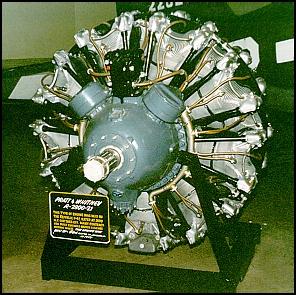
Piston engines have powered aircraft since the dawn of powered flight and still power them today. Nearly every noteworthy aircraft performance improvement was the direct result of an engine improvement. Many of these engine improvements ranked among some of the greatest accomplishments of the first half of the Twentieth Century.
This section details piston engine development and use. |
Supercharger Development in the U.S. During the Inter-War Period
V-12 Firing Order Display
Air-Cooled Aircraft Engine Cylinders - by George Genevro
Outstanding Compilation of Horizontally Opposed Aero Engine Information - by Jack Erickson
Table of US Engine Details, provided by Larry McClellan (PDF,
XLS)
The Air Annual of the British Empire - 1938: British Engine Progress
Defective Engine Parts
Tom Fey's WWII Gunnery Target Engine Technical Analysis
U.S. WWII Engine Production
The USAAF Compound Engine Project
NMUSAF Piston Engine Tour Docent Training, by Jeff Robeson (2.8M PDF)
 |
OX-5s to Turbocompounds:
A Brief Overview of Aircraft Engine Development
by Kimble D. McCutcheon |
| During the period between the World Wars, aircraft engines improved dramatically and made possible unprecedented progress in aircraft design. Engine development in those days, and to a large extent even today, is a very laborious, detailed process of building an engine, running it to destruction, analyzing what broke, designing a fix, and repeating the process. No product ever comes to market without some engineer(s) having spent many long, lonely, anxious hours perfecting that product. This is especially true of aircraft engines, which by their very nature push all the limits of ingenuity, materials, and manufacturing processes. |
- Download Article (712 K PDF) -
 |
No Short Days:
The Struggle to Develop the R-2800
"Double Wasp" Crankshaft
by Kimble D. McCutcheon |
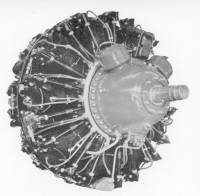
| Just prior to World War II, engineers at both Pratt & Whitney and Curtiss-Wright worked tirelessly to produce the first air-cooled engine capable of more than 2,000 horsepower. The efforts of both teams were nearly thwarted by severe vibration from unexpected sources. This is the story of how the Pratt & Whitney team, through hard labor and persistence, identified and solved the problems with vibration. The result was one of the most successful engines of all times - the R-2800. |
WW2 German Engine Production
Aircraft Engines in Armored Vehicles



 with questions or comments about this web site.