|
 |
 |
|
|
|
|
|
|
| Can You Help Identify These Engines? |
 |
 |
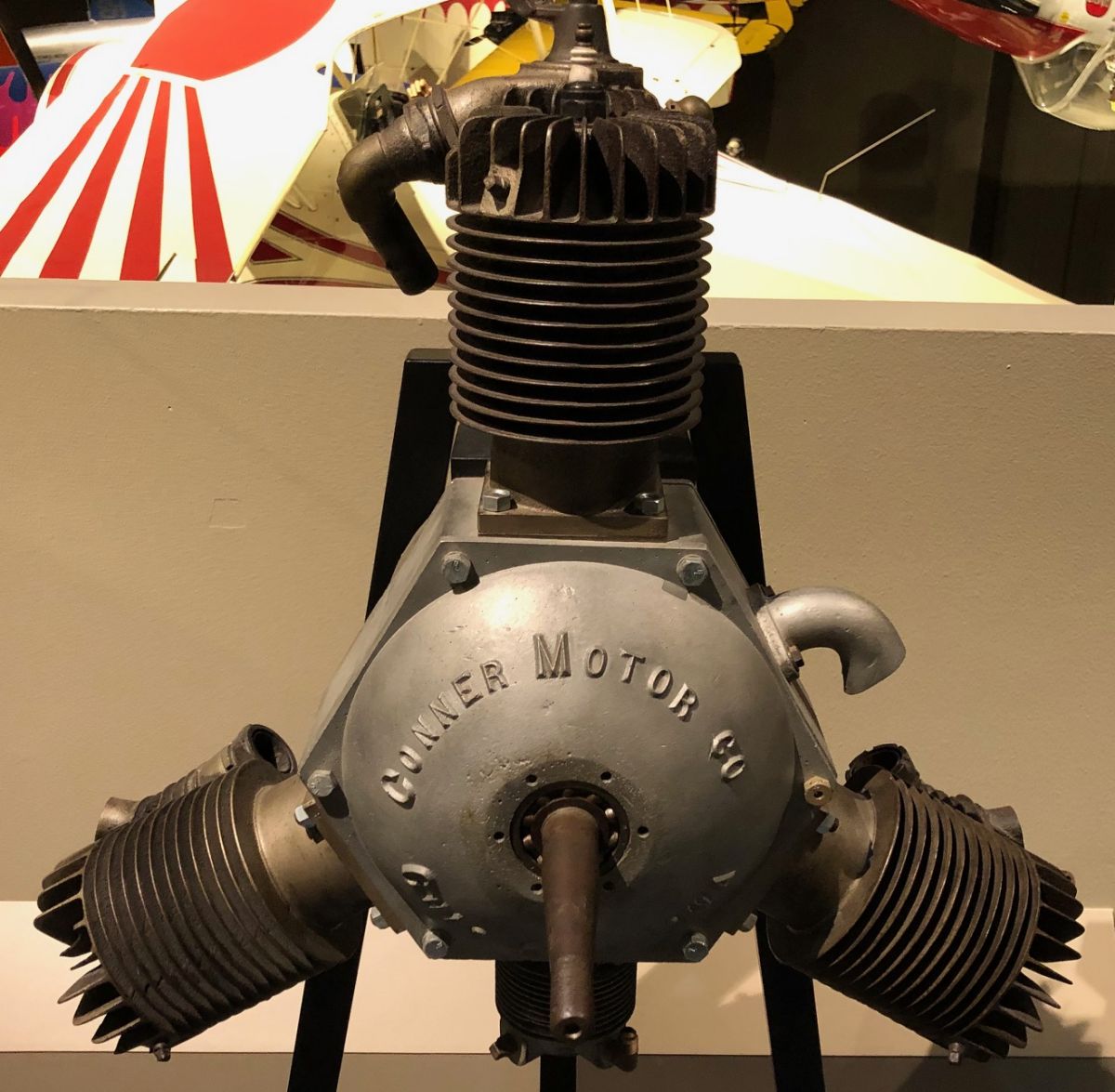
| This 3-cylinder, four-stroke radial has a sand-cast crankcase and cast-iron cylinders with integral heads. Please notify the AEHS or EAA if you know more about it. | |
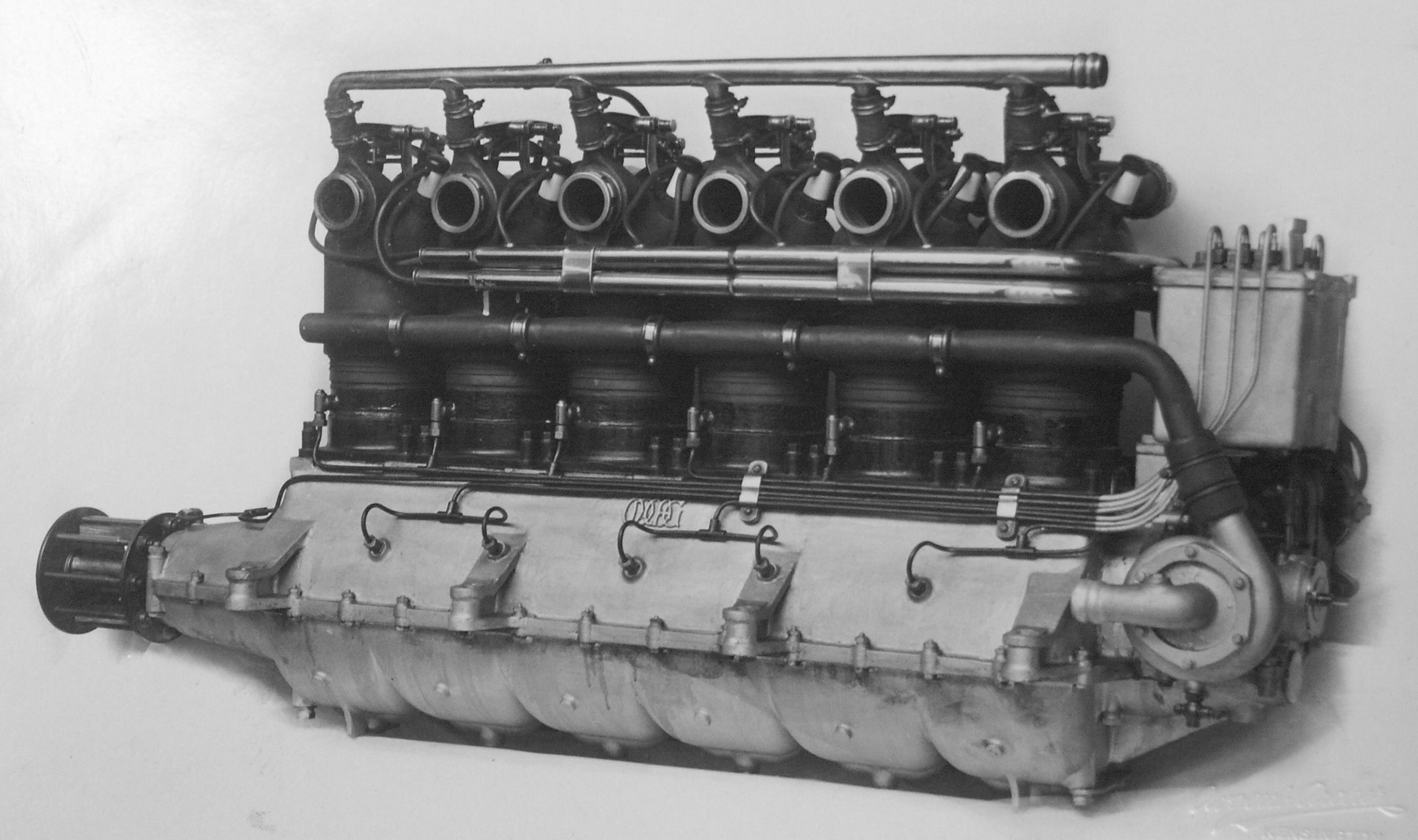 |
| This image of a photograph in The National Archives of the United Kingdom at Kew was furnished by Dave Birch. |
Identified!
Michel Marani identified this as an Austro-Daimler AD 6, built around 1912.
The logo on the crankcase left side reads O.D.M.A.G, meaning Ã-sterreichische Daimler-Motoren AG , from Wiener Neustadt.
The design of the letters was the firm’s logo before WW1.
If the bore and stroke were 120 x 140mm, it would have been a 90 PS (HP) model; 130 x 175mm would have been a 120 PS (HP).
The Aviation Museum of California in Sacramento, California
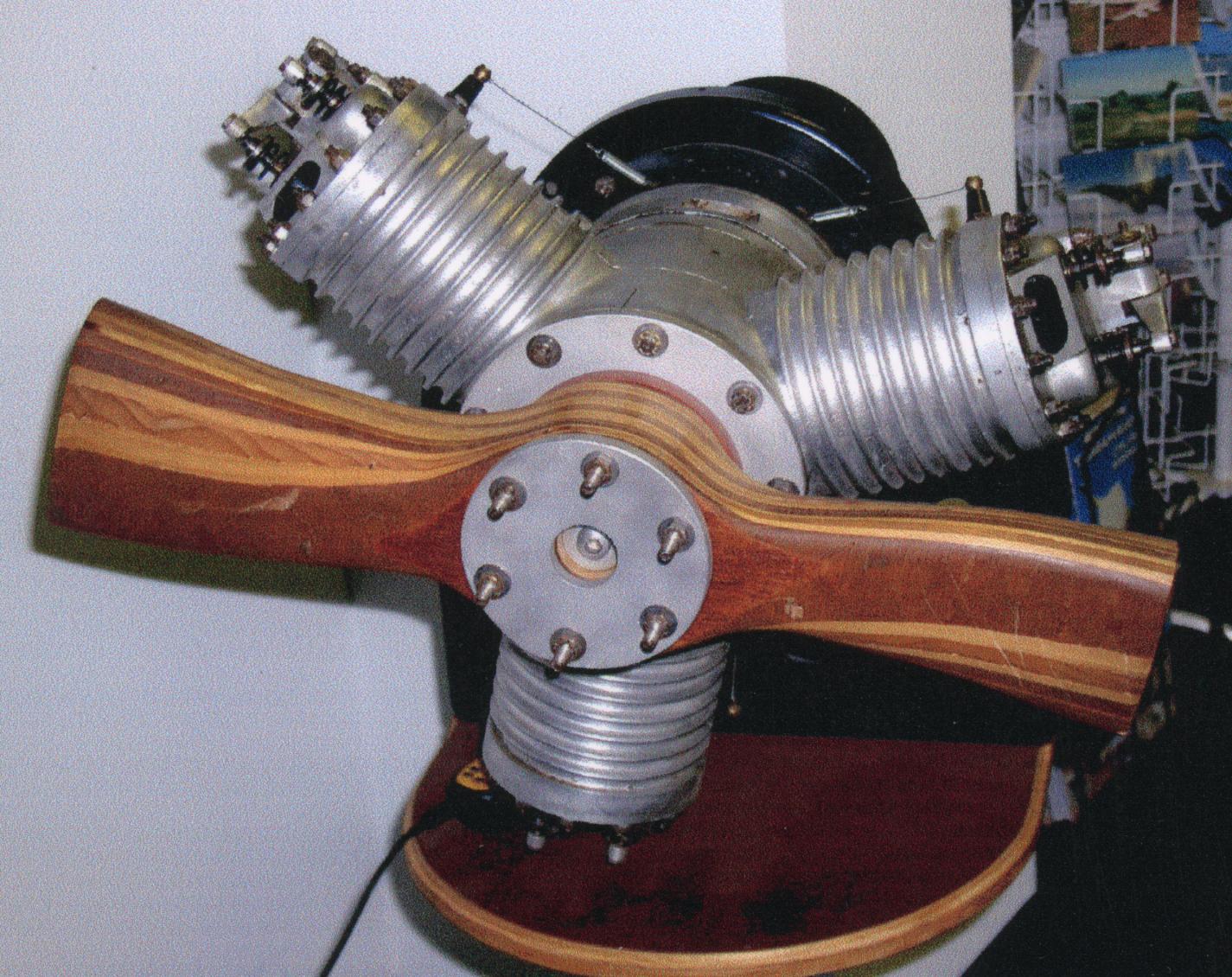
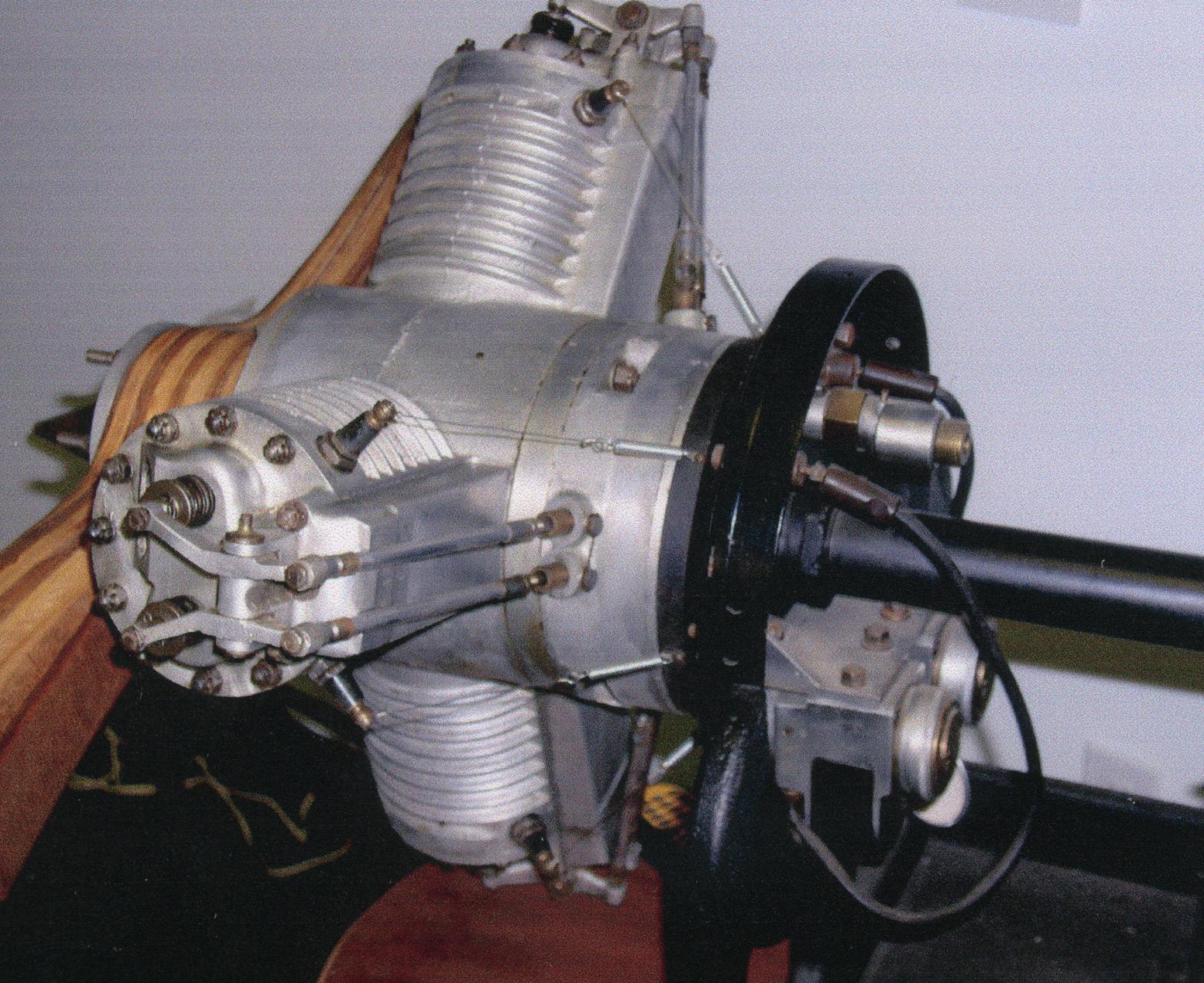
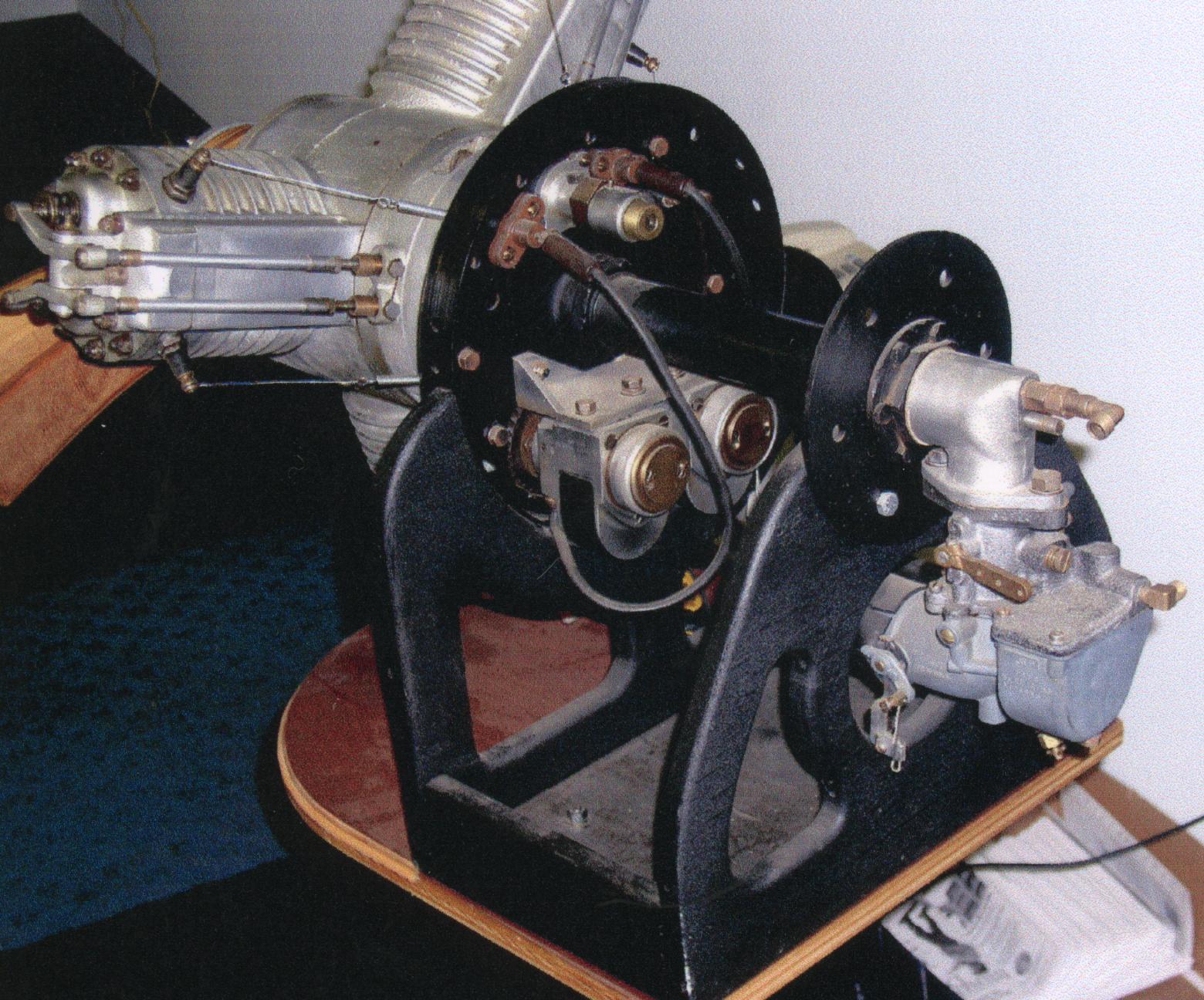
has on display a three-cylinder rotary aircraft engine that cannot be identified for lack of a data plate.
Specifications such as cylinder bore, stroke, horsepower, manufacturer and year of manufacture are unknown.
Layout and Construction: The engine is 25.5“ in diameter and 30“ long. It has two valves (intake and exhaust) per cylinder. The exhaust ports face forward, with no provision for a collector ring or exhaust stacks. The cylinders and crankcase are all one aluminum sand-casting. Cylinder fins are cast rather than being machined.
Carburetion: The carburetor is a Tillotson, Patent No. 1695671 with an additional number, RE 14780, and is probably Part No. JR1A. This carburetor was used on Plymouths and as a Ford Model A replacement carburetor around 1929. Fuel/air mixture is delivered from the carburetor, through the hollow crankshaft, into the crankcase and to each cylinder via channels cast into the cylinders. The air intake is below the carburetor and faces forward.
Ignition: The engine has two magnetos stamped "ROBERT BOSCH GERMANY". A 0.500“-thick non-metallic ring, attached to the rear of the crankcase, supports the ignition wires and makes contact with the magneto outputs as the engine rotates.
Lubrication: A brass fitting at the top of the carburetor rear, may have been the "oil-in" line fitting, mixing the lubricating oil with the fuel/air mixture passing into the crankcase. Valve rocker arm supports are provided with grease fittings. There is no provision for lubrication of the magneto drives.
Please send information that might be useful in identifying this engine to

 |
 |
 |
Identified!
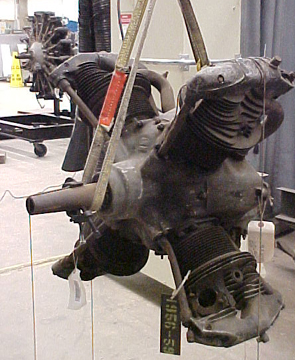
This turns out to be a Caminez Model 447-D.
Please see The Engines of Brodhead in the Members Section.
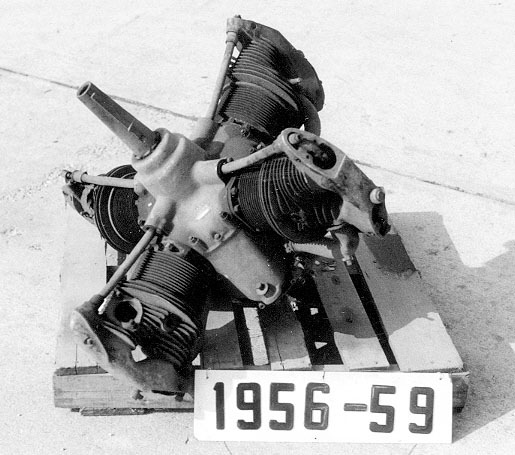
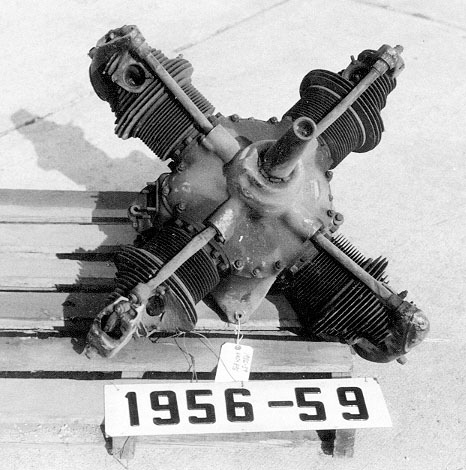
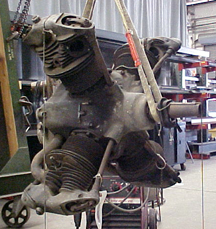
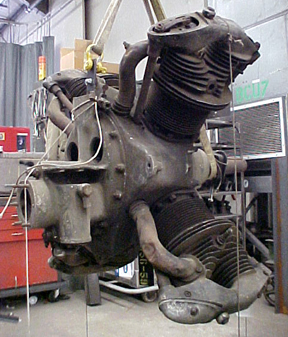
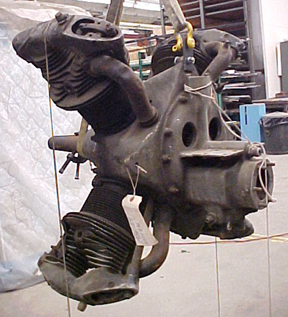
Curators at the National Air and Space Museum were trying to identify this engine. Here is what is known about it:
A19560059000
Department: Aeronautics
Alternate Object Name: Engine, Radial 4
Country of Origin: United States of America
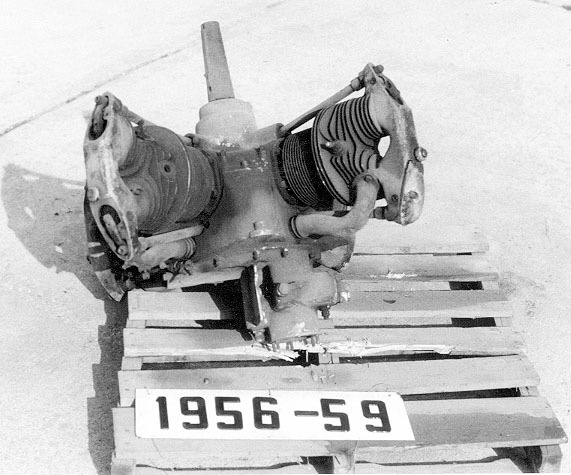
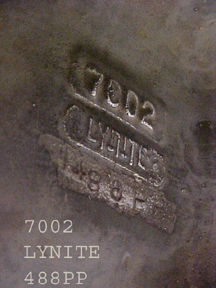
Description: 4 cylinders air-cooled radial "x" configuration. Made of "Lynite" alloy. Missing carburetor, magnetos, valve covers, valve springs, spark plugs, and ignition wiring.
Dimensions: Length 29 in., Diameter 39.5 in.
Curatorial Remarks: The identity of this engine's manufacturer requires additional research. Manufacturers of 4-cylinder radial aircraft engines included: Universal Engine and Propeller Company in Berkeley, California;
Brun von Festenberg-Pakisch of Hamburg, Germany;
Fairchild-Caminez Engine Corporation, Farmingdale, N.Y.;
Irwin Aircraft Co. of Watsonville,California.
Bibliography: Glenn D. Angle, Aerosphere 1939 (New York: Aircraft Publications, 1940).
Credit Line: Gift of Long Island (Clark) Automotive Museum.
Donor: Long Island Automotive Museum
Acquiring Curator: Paul E. Garber
Responsible Curator: Jeremy R. Kinney
Additional Images
 |
 |
 |
 |
 |
 |
 |
 |
 |
 |
 |
 |
 |
 |
 |
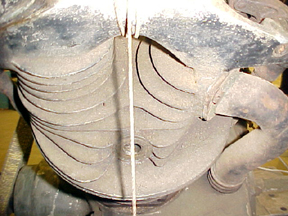 |
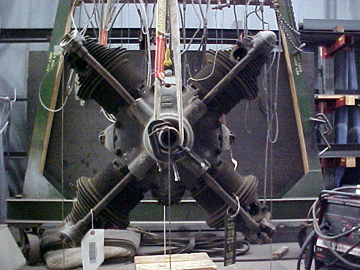
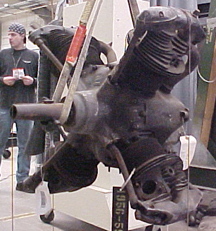
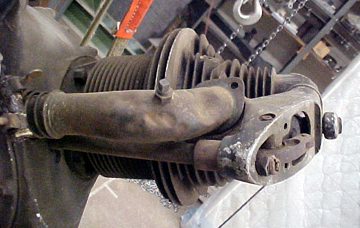
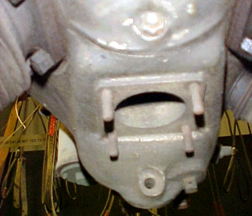
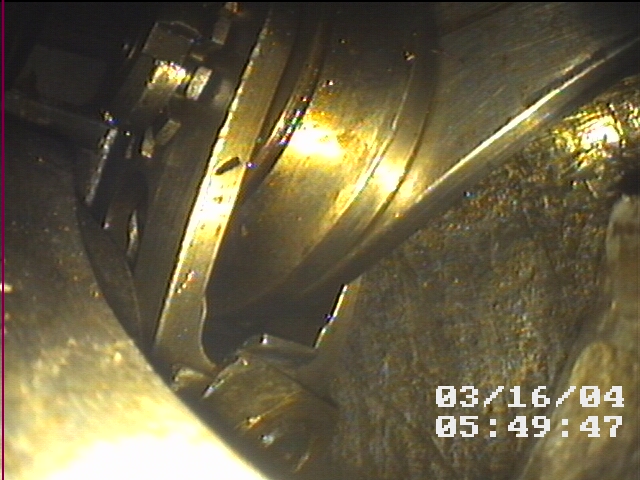
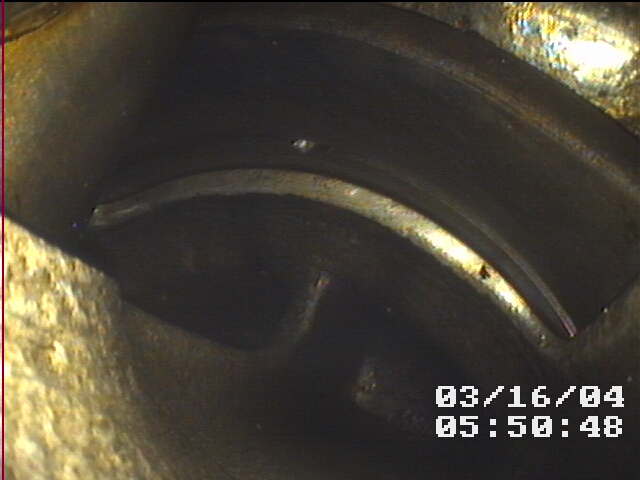
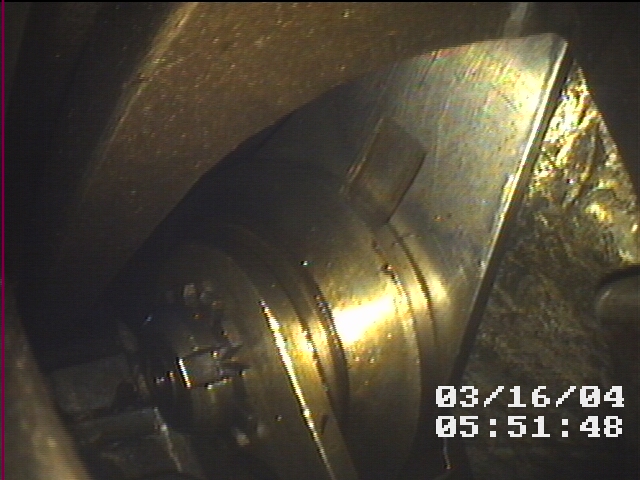
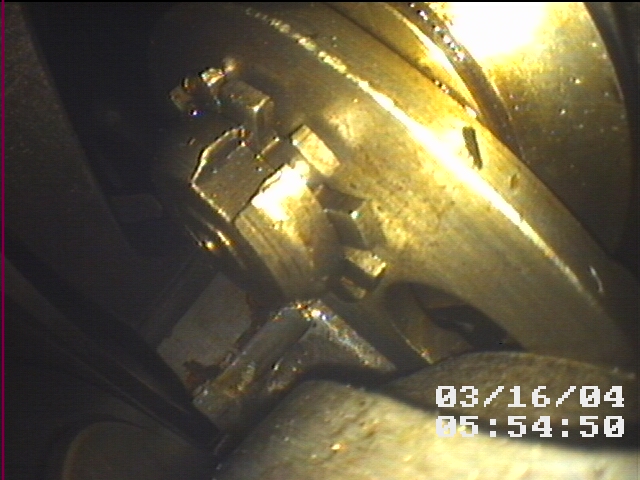
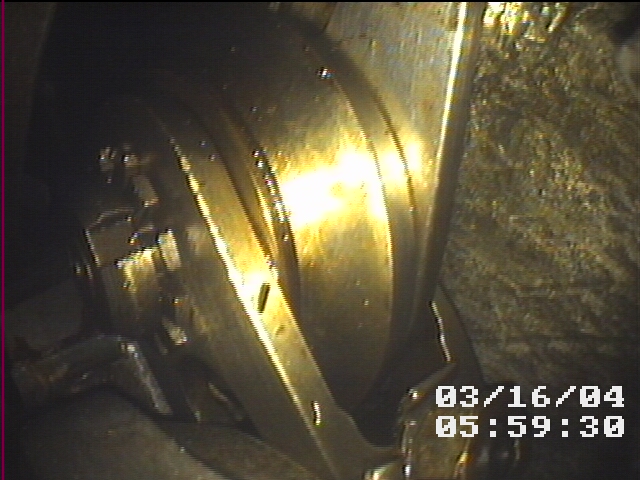
While this engine appears to be a cam engine with internal construction similar to the Fairchild Caminez 4-cylinder engine, cylinder construction differs. This engine has enclosed valve gear that is actuated from cams at both the front and rear of the cylinders.
Boroscope Images of Engine Internals (view of piston bottom)
 |
 |
 |
 |
 |
 |
Send mail to
 with questions or comments about this web site.