Torque Meter
Summer 2003 Issue
|
 |
The Development of Early Turbojet Engines Peter Berry traces the history of early turbojets and the three design concepts — the reverse-flow centrifugal, the straight-through centrifugal and the axial-flow — that helped revolutionise post-war aviation. |
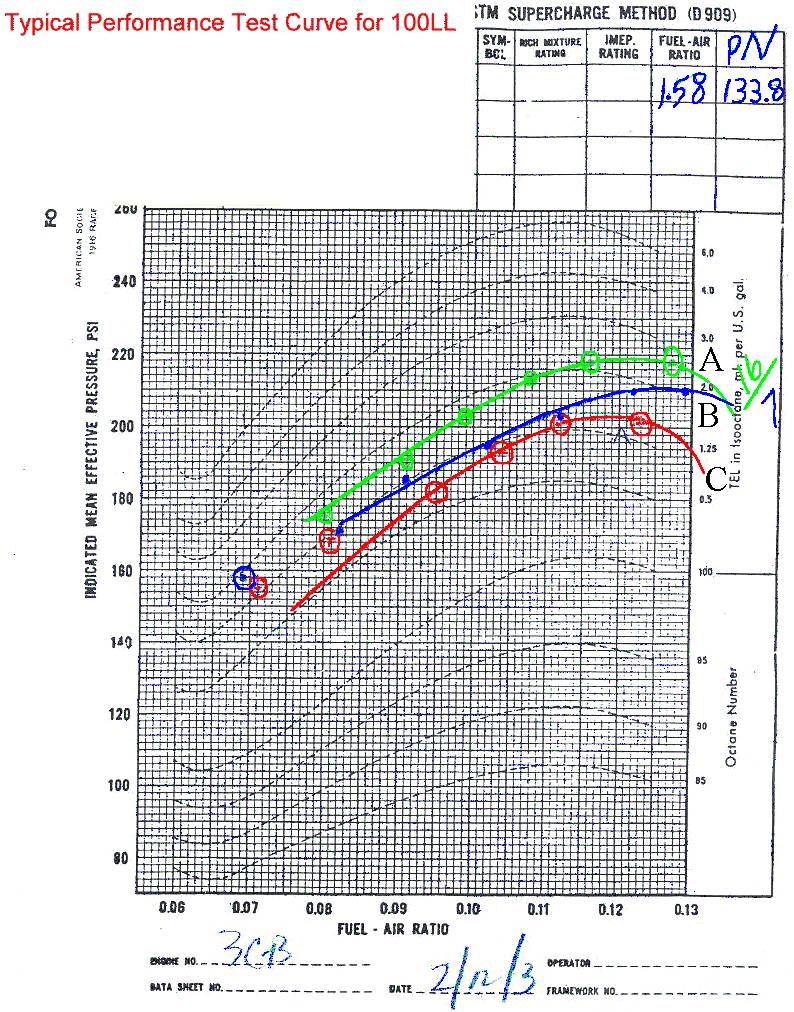 |
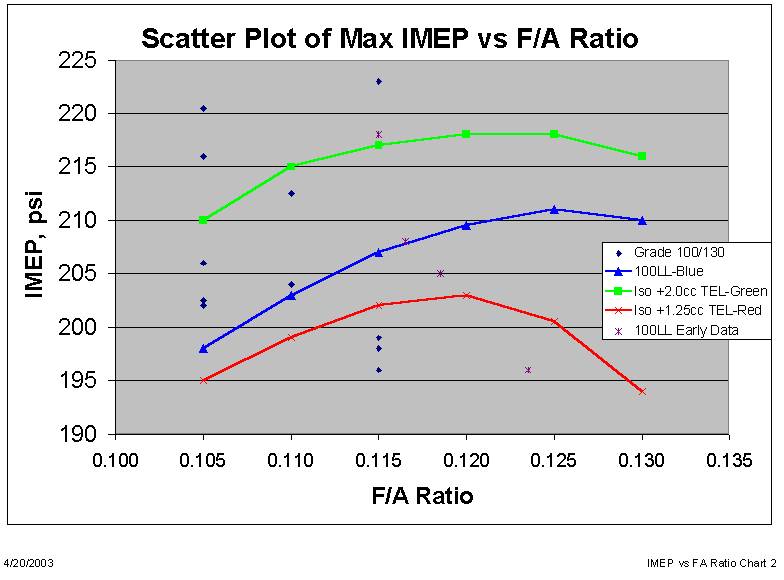
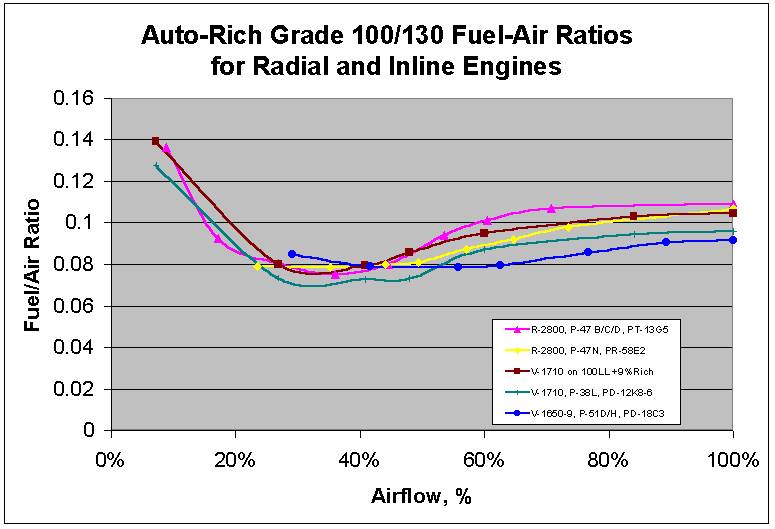
Use of 100LL Fuel In Warbird Engines In the 1970s environmental concerns and regulations practicality dictated that lead compounds be removed from fuels for vehicles powered by reciprocating engines. Subsequently the introduction and use of unleaded fuel has been nearly universally adopted within the United States, and is rapidly spreading throughout the rest of the world.1 A part of this movement has affected aviation as well, although the complete elimination of lead from aviation fuels has not occurred for some very good reasons. A large number of the aircraft powered by reciprocating engines were built in the last half of the 20th Century and utilize engines that were designed using technology developed in the 1940s and 1950s. These aircraft and their engines are expensive and irreplaceable, though their numbers are few in comparison to the millions of automobiles built each year and the quantities of fuel cars consume. As a result there are significant financial incentives to not obsolete the aircraft by eliminating the fuel needed to operate them, and accept the comparatively minimal environmental impact.
|
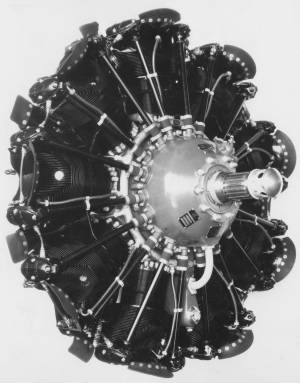 |
The Curtiss-Wright R-1820 Cyclone If you were a child during the years 1964 through 1969, your introduction to the sights and sounds of the Curtiss-Wright R-1820 Cyclone may have been the popular television series Twelve O'clock High. Because of that series, a whole generation of kids learned about radial engines with their smokey starts and monotonous low drone. Then restored Boeing B-17s started touring the air show circuit and "Warbird" entered the lexicon of aviation enthusiasts everywhere. Today, Cyclones are commonplace in air show B-17s, T-28s, and the occasional F4F. Much has been written about the design, development, production and application of the Wright Cyclone. This article aims to illuminate its evolution by describing some its more obscure ancestors and to survey the advances in technology that allowed it to more than quadruple its original power. |
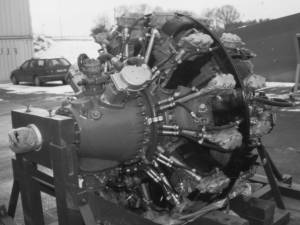 |
Chinese Choice Warbird fans worldwide are anxiously awaiting the first flight of one of twelve replica-built Focke-Wulf FW 190 A-8 N (N means new) at German Flugwerk Company deep in the Bavarian countryside. First flight is due in summer 2003. Meanwhile, Torque Meter is offering a technical view at the impressive Huosai HS-7 powerplant, which is very similar to the famous BMW 801 two-row radial of the former FW 190 A-series. |
Send mail to
 with questions or comments about this web site.